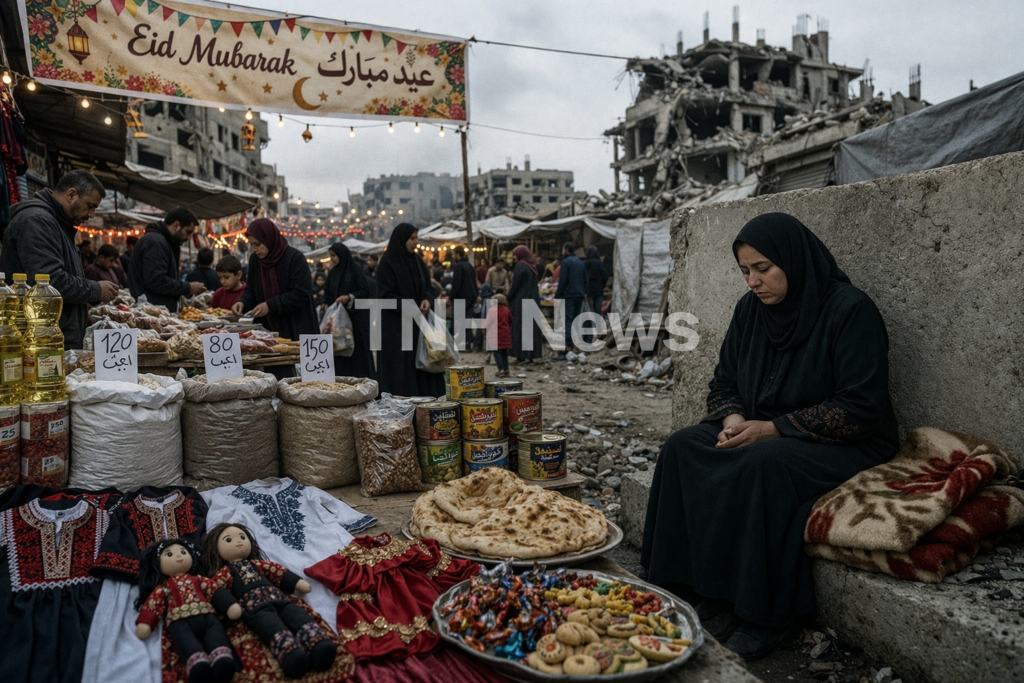

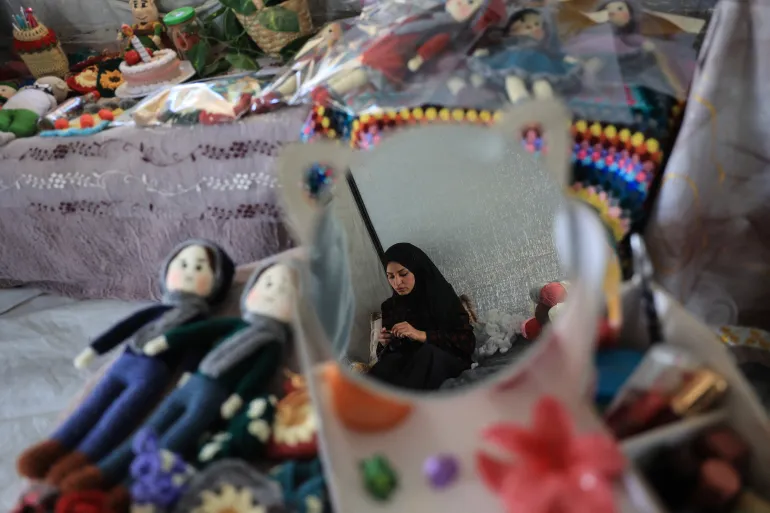
As global attention remains focused on the ongoing tensions involving Iran, the humanitarian situation in Gaza Strip is worsening, with residents facing severe shortages during what should be a time of celebration.
According to reports, Israel has further tightened restrictions on the flow of goods and aid into Gaza, limiting access to essential supplies. The move has intensified economic pressure on the territory, where millions are already struggling with hardship.
The restrictions come as Muslims around the world mark Eid al-Fitr—a holiday typically associated with joy, family gatherings, and shared meals. But for many in Gaza, the festive spirit has been overshadowed by anxiety and uncertainty, as rising prices and dwindling supplies make even basic necessities difficult to obtain.
Local residents say the worsening situation has stripped Eid of its usual meaning. Markets are facing sharp price increases, while key goods are either scarce or completely unavailable. Families that would normally prepare special meals or buy new clothes for children are instead forced to prioritize survival.
Analysts point out that the crisis is not simply the result of inflation or temporary supply disruptions. Rather, it reflects a complex mix of political and economic factors. Ongoing restrictions linked to the broader conflict, combined with internal market pressures and shifting regional dynamics, have created a fragile and deteriorating situation.
In recent months, Israel has cited security concerns and regional tensions to justify stricter controls at border crossings, particularly during periods of heightened conflict elsewhere. Critics argue that such measures have a direct and severe impact on civilians in Gaza, further limiting access to food, fuel, and humanitarian aid.
As Eid begins under these difficult conditions, many families in Gaza are left grappling with a harsh reality—where a holiday meant for celebration has instead become a reminder of an ongoing and deepening crisis.